
Automate Real Estate Leads with a Personal Touch
Real Estate, Lead Management, Automation
How to Use Automation to Follow Up with Real Estate Leads Without Losing the Personal Touch
For any busy real estate agent, consistent follow-up can be the difference between a cold inquiry and a signed listing agreement. The challenge is doing it at scale, without sounding like a robot. With the right Real Estate Automation strategy and a well-configured real estate CRM, you can systemize your real estate lead follow up while still feeling human, thoughtful, and personal to every prospect.
Why Automation Matters for Today’s Real Estate Professional
In a typical week, an experienced real estate agent might juggle dozens of new inquiries, multiple active buyers, listing appointments, open houses, and negotiations. Without strong real estate systems in place, even the most disciplined realtor lead follow up starts to slip. Studies across sales industries consistently show that most deals are won after the fifth or sixth touch, yet many agents stop after one or two attempts.
Real Estate Automation is not about replacing your personality; it is about ensuring your personality actually reaches people consistently. Automation supports you by:
Capturing every lead and routing it into your real estate CRM instantly
Triggering timely real estate follow up sequences so no one is forgotten
Freeing you to focus on high-value, person-to-person conversations instead of repetitive admin tasks
💡 Pro Tip: Think of automation as your assistant, not your replacement. It should set up and support conversations, not take them over entirely.
Step 1: Centralize Every Lead in a Real Estate CRM
Personal follow-up starts with knowing who you are talking to and where they came from. That is impossible if leads are scattered across inboxes, text messages, social media DMs, and portal apps. A robust real estate CRM is the foundation of all effective real estate lead follow up and Real Estate Automation because it gives you a single, organized view of every contact and interaction.
Connect your lead sources. Integrate your website forms, property portals, Facebook and Google ads, open house sign-ins, and even your phone system to automatically create or update contacts in your CRM.
Standardize your fields. Capture key details like price range, timeline, location preferences, financing status, and source. These fields will later power your personalized automation.
Use tags and pipelines. Label contacts as new lead, hot buyer, nurture, past client, or investor to guide the type of realtor lead follow up they receive.
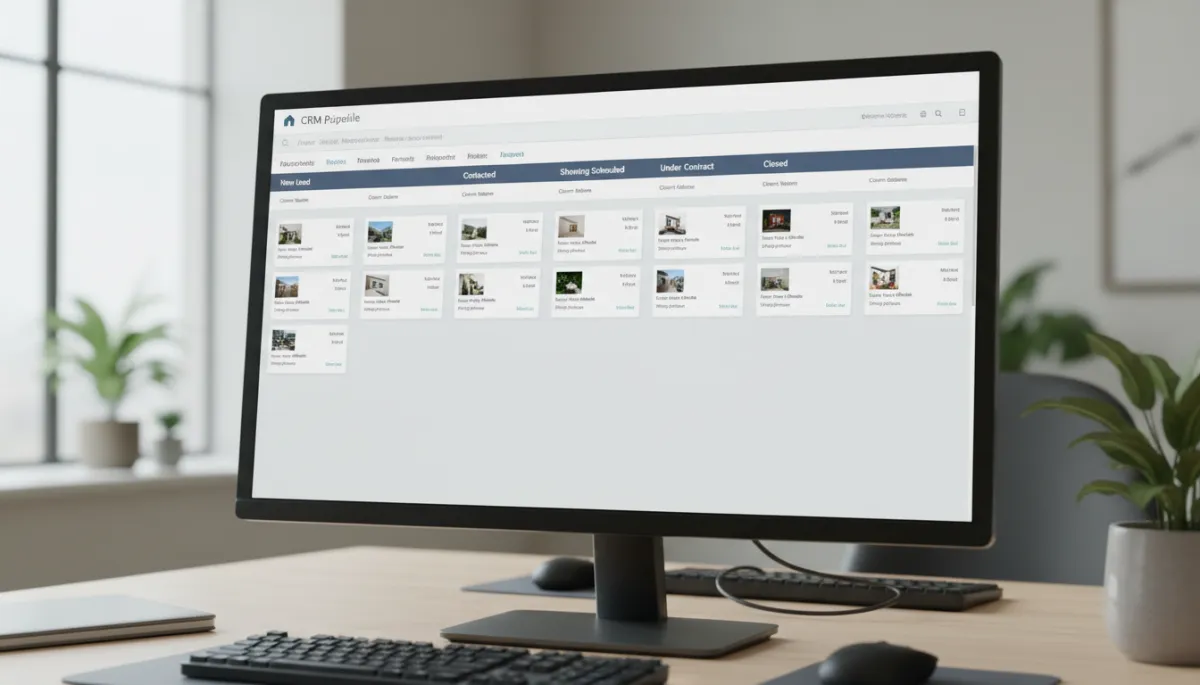
Clear CRM pipelines make it easy to match each lead with the right follow-up.
Step 2: Design Human-Centered Automated Sequences
Once your real estate systems are capturing leads reliably, the next step is to build automated sequences that feel like they came directly from you. The goal is not to blast generic messages; it is to deliver the right message, with the right tone, at the right time in the client journey.
Use Smart Triggers, Not One-Size-Fits-All Drips
Modern real estate CRM platforms allow you to trigger realtor lead follow up based on behavior and data, not just time. For example:
A new website registration triggers a welcome text and email introducing you and asking a simple question about their goals.
A buyer who favorites three properties in a specific neighborhood receives a short video from you sharing local insights and upcoming listings.
A lead who has not opened the last few emails is automatically moved to a lighter-touch nurture sequence instead of being bombarded with more messages.
Write Like a Person, Then Template It
To keep your real estate follow up personal, start by writing messages as if you were texting or emailing one specific client. Use natural language, short sentences, and a conversational tone. Only after you are happy with the message should you turn it into a template and add merge fields like first name, neighborhood of interest, or price range.
For example, instead of a generic “Thank you for registering on our site,” you might automate:
“Hi {{first_name}}, thanks for checking out homes in {{area_of_interest}}. I am a local real estate agent and I live just a few minutes from there. Are you just browsing today, or are you hoping to move in the next few months?”
This still feels like a one-to-one note, but your real estate automation can send it instantly to every new lead who fits that profile.
📌 Key Takeaway: Personalization is more than using a first name. Reference specific behaviors, locations, and timelines to show you are paying attention.
Step 3: Balance Automated Touches with Live Conversations
The most successful experienced real estate agent does not rely on automation alone. Instead, they use automation to create more opportunities for genuine, human interaction. Think of your real estate systems as the scaffolding that supports your live calls, texts, and meetings.
Use Automation to Schedule, Not Replace, Phone Calls
For high-intent leads, build workflows that automatically create call tasks for you at strategic intervals. For example, your real estate CRM might:
Send an immediate text and email when the lead first inquires
Automatically schedule a call task for you two hours later if they have not responded
Add follow-up call tasks two days and seven days later, while still sending light automated messages in the background
This way, your realtor lead follow up is consistent and visible in your daily task list, but the voice on the other end of the phone is always yours.
Layer in Personal Loom or Phone Video Messages
One powerful way to keep your real estate lead follow up feeling personal is to mix automation with short, custom videos. For example, your workflow might automatically remind you to record a 30-second video for new serious buyers, where you introduce yourself by name and reference something specific they mentioned.
The email or text that delivers that video can still be automated, but the content is unmistakably human and unique. This hybrid approach is where Real Estate Automation truly shines for professionals who value relationships.
Step 4: Build Long-Term Nurture That Feels Like a Relationship
Not every lead is ready today. Some are six, twelve, or even twenty-four months out. An experienced real estate agent knows that consistent, value-driven contact over time turns these “not now” prospects into tomorrow’s commissions. Automation makes this sustainable without turning your messages into bland mass marketing.
Segment your database. Create different nurture tracks for first-time buyers, move-up sellers, investors, and past clients. Each group cares about different information.
Lead with education, not sales. Share market updates, neighborhood spotlights, financing tips, and checklists rather than constant “Are you ready yet?” messages.
Automate personal check-ins. Use your real estate CRM to trigger annual home anniversary notes, birthday greetings, and equity checkups that reference their specific property or neighborhood.
💡 Pro Tip: Add a simple reply prompt to long-term nurture emails, such as “Hit reply if you would like an updated value estimate.” This keeps the door open for conversation.
Step 5: Measure, Refine, and Keep It Authentic
Real Estate Automation is not “set it and forget it.” The most effective real estate systems are reviewed and refined regularly. As a professional, you should know which messages generate replies, which sequences convert to appointments, and where leads tend to go cold.
Track open and reply rates for your key real estate follow up sequences and test new subject lines or text scripts.
Review your CRM pipeline monthly to see where leads stall, then adjust your automation to add extra touches at those stages.
Periodically audit your templates to make sure they still sound like you. Update language to reflect current market conditions and your evolving brand voice.
When you notice a template that consistently generates warm responses, lean into it. That is a sign your automation is aligned with how you would naturally communicate as a real estate agent in a one-to-one conversation.
Bringing It All Together: Systems that Amplify, Not Replace, You
The most common fear professionals have about automation is that it will make them sound generic or robotic. In reality, when done well, Real Estate Automation does the opposite. It amplifies your best habits as an experienced real estate agent and ensures every lead experiences your professionalism, responsiveness, and care, even on your busiest days.
By centralizing your contacts in a capable real estate CRM, designing human-centered workflows, balancing automation with real conversations, nurturing long-term relationships, and continually refining your approach, you can build a real estate lead follow up engine that feels anything but mechanical. Your systems quietly handle the timing and logistics, while you stay focused on what only you can do: listening, advising, negotiating, and building trust.
In a competitive market, the professionals who win are not necessarily the ones who work the most hours, but the ones who build smart real estate systems that protect their time and their relationships. When you align automation with authenticity, your follow-up becomes both scalable and deeply personal—and that is where modern real estateagent success truly lives.
Shawn Bell is the founder of The Realtors Blueprint, a system installation platform built specifically for experienced agents. If you recognized your business in this article, the [Leak Check] shows you exactly where your follow-up infrastructure is breaking down — and what to fix first.


