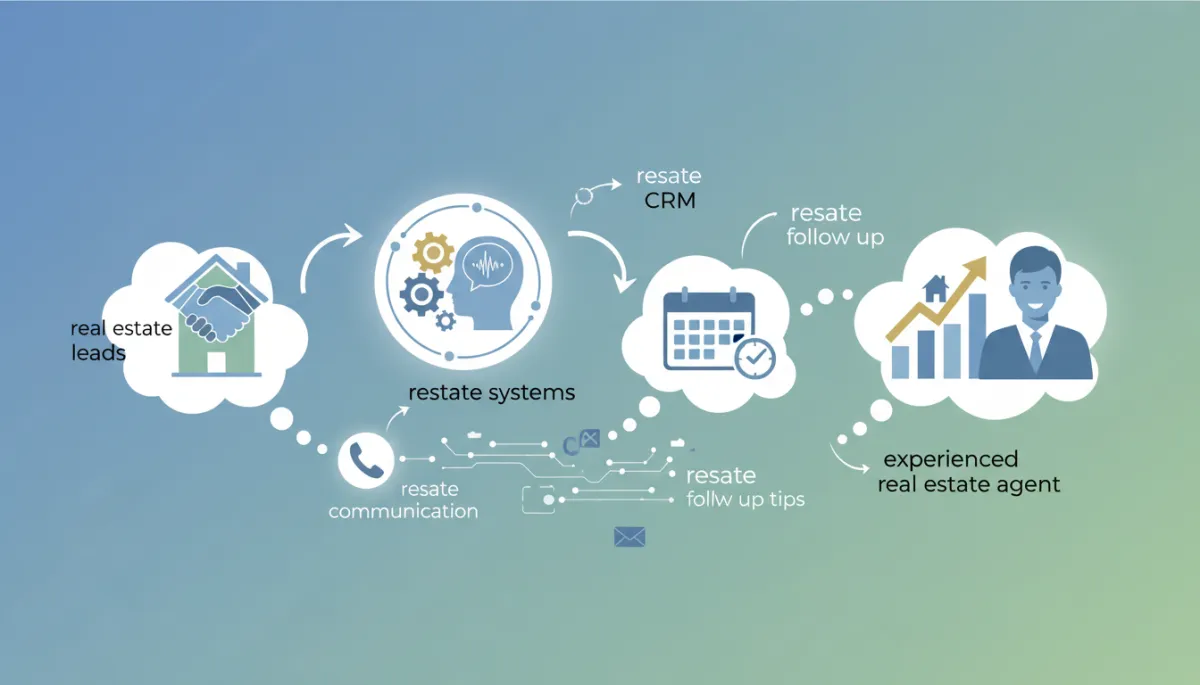
Effective Real Estate Lead Follow-Up Strategies
Real Estate, Lead Nurturing, Sales Communication
How to Follow Up with Real Estate Leads Without Feeling Like You’re Bothering Them
Consistent real estate follow up is one of the biggest predictors of your income, yet many agents hesitate because they worry they are “bugging” people. The difference between being a nuisance and being a trusted professional comes down to timing, value, and systems. This guide shows you how to follow up confidently with real estate leads, using practical strategies and real estate systems that feel respectful, professional, and effective.
Reframing Follow Up: From “Bothering” to Serving
The first mindset shift for any real estate agent is recognizing that serious buyers and sellers expect professional guidance. When someone opts in on your website, calls from a sign, or messages you on social media, they are raising their hand for help. Real estate communication becomes intrusive only when it is irrelevant, poorly timed, or clearly self-serving. When it is helpful, specific, and respectful, it feels like service—not sales pressure.
Experienced real estate agents understand that most clients are busy, distracted, and often overwhelmed by the process. They appreciate professionals who take the initiative to guide them, remind them of next steps, and answer questions they did not know to ask. Your role in real estate lead nurturing is to anticipate what they need and show up with timely, useful information—not just “checking in” messages.
Know Your Lead Type and Match Your Approach
Not all real estate leads are at the same stage. Treating every contact like they are ready to write an offer will absolutely make you feel pushy—and make them pull away. A key real estate follow up tip is to categorize leads by intent and timeline, then adjust your communication style accordingly:
Hot leads (0–30 days): Recently inquired, pre-approved, or clearly motivated. Follow up more frequently with calls, texts, and property updates, always tied to their specific goals.
Warm leads (1–6 months): Gathering information, exploring neighborhoods, or preparing finances. Focus on education, market insights, and occasional check-ins to stay top of mind.
Long-term leads (6+ months): Early-stage planners or “someday” buyers and sellers. Use automated real estate systems and a consistent nurture plan so you stay present without hovering.
A robust real estate CRM makes this segmentation simple. Tag leads by source, timeline, and motivation so your follow up is always context-aware. When your outreach clearly reflects where they are in the journey, it feels tailored—not generic or pushy.
Lead with Value in Every Touchpoint
One of the most effective real estate follow up tips is simple: never reach out without a reason that benefits the client. Before you call, text, or email, ask, “What problem am I solving or question am I answering for them right now?” When you consistently deliver value, your follow up becomes something people look forward to, not avoid.
Share a concise market update specific to their price range or neighborhood, rather than a generic newsletter.
Send a short video explaining a step in the process—inspections, appraisals, or how to compare offers—based on where they are in the pipeline.
Provide a curated list of properties with a one-sentence note on why each one might fit their criteria.
This value-first approach to real estate communication communicates expertise and care. It also differentiates you from agents who only reach out to ask, “Are you ready to buy or sell yet?” Experienced real estate agents know that consistent, value-driven touches compound over time into loyalty and referrals.

Structured follow up through a CRM keeps communication timely, relevant, and professional.
Use Scripts That Feel Natural and Respectful
You do not need to sound robotic to use scripts. Thoughtful, flexible language can reduce anxiety about “bothering” your real estate leads because you know exactly how to position your outreach. Here are a few examples you can adapt:
💡 Professional Script Tip: Acknowledge their time, reference a specific detail, and offer something concrete in every message.
Initial follow up (call or text): “Hi [Name], this is [Your Name], the real estate agent you contacted about [property/area]. I know your time is valuable, so I’ll be brief—do you have two minutes now, or is there a better time later today for a quick call to answer your questions?”
Post-conversation follow up: “Thanks again for your time today, [Name]. Based on what you shared, I’ll send you three homes that match your criteria and a short overview of recent sales in [area]. If anything stands out, we can schedule a showing that fits your schedule.”
Long-term nurture email: “You mentioned you were aiming for a move next spring. I’ve attached a brief checklist of what to focus on over the next few months to be in a strong position. If you’d like, we can set up a quick planning call to walk through it together.”
Notice how each example respects their time, references a previous interaction, and offers something of value. This is professional real estate lead nurturing in practice—and it rarely feels like a bother to the person on the other end.
Build Real Estate Systems So Follow Up Isn’t Emotional
One reason many agents hesitate with real estate follow up is that every outreach feels like a personal risk: “What if they’re annoyed? What if they say no?” Effective real estate systems remove the guesswork and emotion by defining clear processes: when to contact, how to contact, and what to say at each stage.
Day 0–1: Immediate response with a call and a personalized text or email.
Day 2–7: Several attempts via different channels, each with a specific value add (listings, resource, or question).
Week 2–4: Weekly check-ins with updated information or next-step suggestions, based on their engagement.
Month 2+: Transition to a nurture sequence with monthly or quarterly touches, plus triggered outreach when they engage with your content.
Your real estate CRM is the backbone of this system. Use it to automate reminders, track conversations, and enroll leads into appropriate campaigns. When your follow up is guided by a proven structure rather than your mood that day, it becomes a professional habit rather than a personal hurdle.
Choose the Right Channel and Frequency
Respectful real estate communication also means meeting people where they are. Some clients prefer text, others email, and some still like phone calls. Early in the relationship, ask directly: “What’s the best way to reach you, and how often would you like updates?” Logging this preference in your CRM ensures your team honors their expectations.
As a guideline, more frequent outreach is appropriate when a client is actively searching, touring homes, or preparing a listing. As their timeline extends, your touchpoints can become lighter but still consistent. Experienced real estate agents strike a balance: present enough to be relied on, but not so present that they dominate a client’s inbox or voicemail.
📌 Key Takeaway: Frequency is rarely the issue—irrelevance is. If every touchpoint is tailored and useful, clients seldom feel overwhelmed.
Measure, Refine, and Stay Human
Professional real estate follow up is not a one-time decision; it is an ongoing process you refine over time. Use your real estate CRM to track open rates, response rates, and appointment conversions from different campaigns. Identify which messages and cadences generate positive engagement, and adjust your templates and workflows accordingly.
At the same time, remember that real estate is a relationship business. Data and systems should support, not replace, your human judgment. If a client has just experienced a life event, or if they tell you explicitly they need a pause, adjust your follow up accordingly. The most successful real estate agents combine structured systems with empathy, listening, and genuine curiosity about their clients’ lives and goals.
Bringing It All Together: Confident, Client-Centered Follow Up
When you have a clear strategy, solid real estate systems, and a reliable real estate CRM, following up with real estate leads stops feeling like an interruption and starts feeling like what it truly is: professional service. You are not chasing people; you are guiding them through one of the most significant financial and emotional decisions of their lives.
By segmenting your database, leading with value, using respectful scripts, and honoring communication preferences, you can nurture relationships over months and even years. These real estate lead nurturing practices are what separate an average producer from an experienced real estate agent with a predictable, referral-driven business. The more intentional you are about your real estate follow up, the less you will worry about “bothering” anyone—and the more clients will see you as the trusted professional they have been looking for.
Shawn Bell is the founder of The Realtors Blueprint, a system installation platform built specifically for experienced agents. If you recognized your business in this article, the [Leak Check] shows you exactly where your follow-up infrastructure is breaking down — and what to fix first.


